AI and IoT: A Match Made in Tech Heaven or a Recipe for Chaos?
April 8, 2026
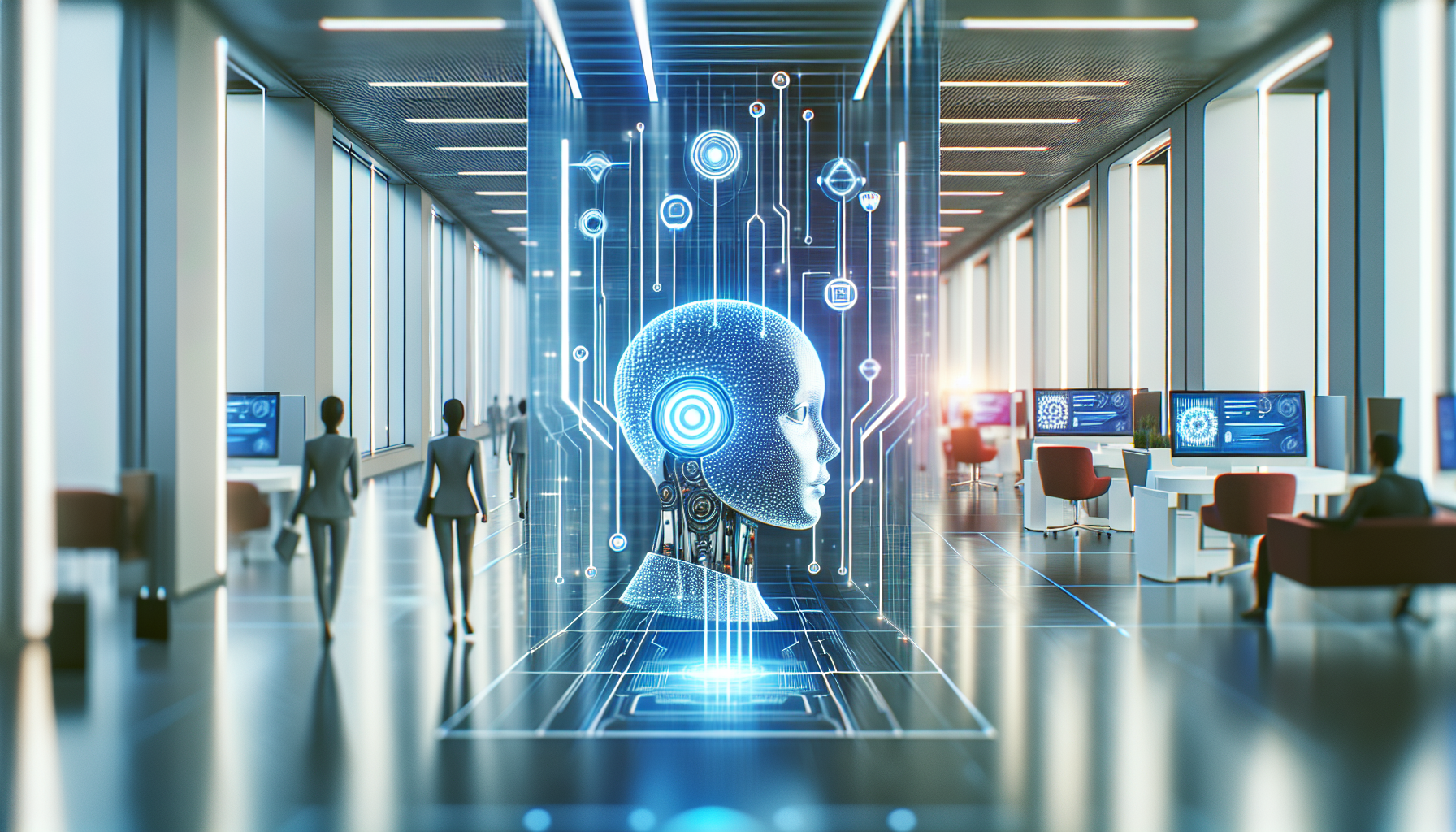
Let's talk about something that's been buzzing around the tech world like a caffeinated bee: the intersection of Artificial Intelligence (AI) and the Internet of Things (IoT). It's a topic that's both exhilarating and, let's face it, a little unnerving. Are we on the brink of a tech utopia where our devices anticipate our needs before we even know them? Or are we hurtling towards a dystopia where machines make decisions for us, and not always in our best interest?
Imagine waking up to a world where your coffee maker has already brewed your morning cup because it knows you stayed up late binge-watching your favorite show. Your smart fridge has ordered groceries because it noticed you're running low on milk, and your thermostat has adjusted the temperature because it knows you like it a bit cooler after a workout. This isn't the stuff of science fiction; it's the promise of AI and IoT working in harmony.
AI brings the brains, and IoT brings the brawn. Together, they have the potential to revolutionize how we interact with technology and, ultimately, with each other. But as with any dynamic duo, there are hurdles to overcome before they can truly change the world.
One of the lesser-discussed aspects of this techno-tango is the sheer volume of data that IoT devices generate. Imagine millions of devices collecting data every second. It's a data deluge, and one that AI is uniquely equipped to handle. Through machine learning algorithms, AI can sift through this torrent of information, identifying patterns and making predictions that can enhance efficiency and convenience in our daily lives.
Yet, this raises questions about privacy and security. With so much data flying around, how do we ensure that our personal information isn't being siphoned off by nefarious actors or misused by corporations? It's a delicate balance, one that requires robust encryption methods and stringent regulations to safeguard our data without stifling innovation.
Another intriguing angle is the impact on employment. The automation capabilities of AI, combined with IoT's connectivity, have the potential to streamline industries like manufacturing, healthcare, and transportation. For instance, smart factories powered by AI can predict equipment failures before they occur, minimizing downtime and boosting productivity. But what happens to the jobs of those who used to perform these tasks manually?
The fear of job displacement isn't new, but it's a significant concern as AI and IoT continue to evolve. The key may lie in reskilling and upskilling the workforce. By preparing employees for new roles that leverage AI and IoT technologies, we can create a labor market that's both innovative and inclusive.
Let's not forget the environmental implications. IoT devices, when used wisely, can contribute to a more sustainable world. Smart grids, for example, can optimize energy consumption, reducing waste and lowering carbon footprints. AI can enhance these systems by predicting energy demands and adjusting supply accordingly. However, the production and disposal of IoT devices also contribute to electronic waste, a growing environmental concern that needs addressing.
On a more philosophical note, the marriage of AI and IoT prompts us to consider the nature of human agency. As our devices become smarter and more autonomous, where do we draw the line between helpful assistance and intrusive meddling? It's a question that challenges our notion of free will and autonomy.
But let's not get too carried away with the potential pitfalls. The intersection of AI and IoT offers immense opportunities for creativity and improvement in the quality of life. From personalized healthcare solutions to smart cities that respond to the needs of their citizens, the possibilities are as vast as they are exciting.
So, what's the verdict? Is the partnership between AI and IoT a perfect synergy or a precarious gamble? Perhaps it's a bit of both. Like any relationship, it's complex, requiring careful consideration and thoughtful stewardship. As we stand on the cusp of this technological frontier, the real question isn't just about what AI and IoT can do for us, but what we, as a society, want them to do. How can we harness their potential to build a future that reflects our values and aspirations?
In pondering these questions, we find ourselves not just as passive observers of technological progress but as active participants shaping the world of tomorrow. What kind of world do we want to create, and how can AI and IoT help us get there? That's the conversation we need to have—and soon.