AI and Human-Computer Interaction: A Journey Through Time
January 2, 2026
Imagine sitting in front of a computer, trying to get it to understand what you want. This experience, once a source of frustration for many, is becoming increasingly seamless, thanks to the fascinating marriage of artificial intelligence and human-computer interaction (HCI). But how did we get here? The story of AI and HCI intertwining is one of evolution, curiosity, and a lot of trial and error.
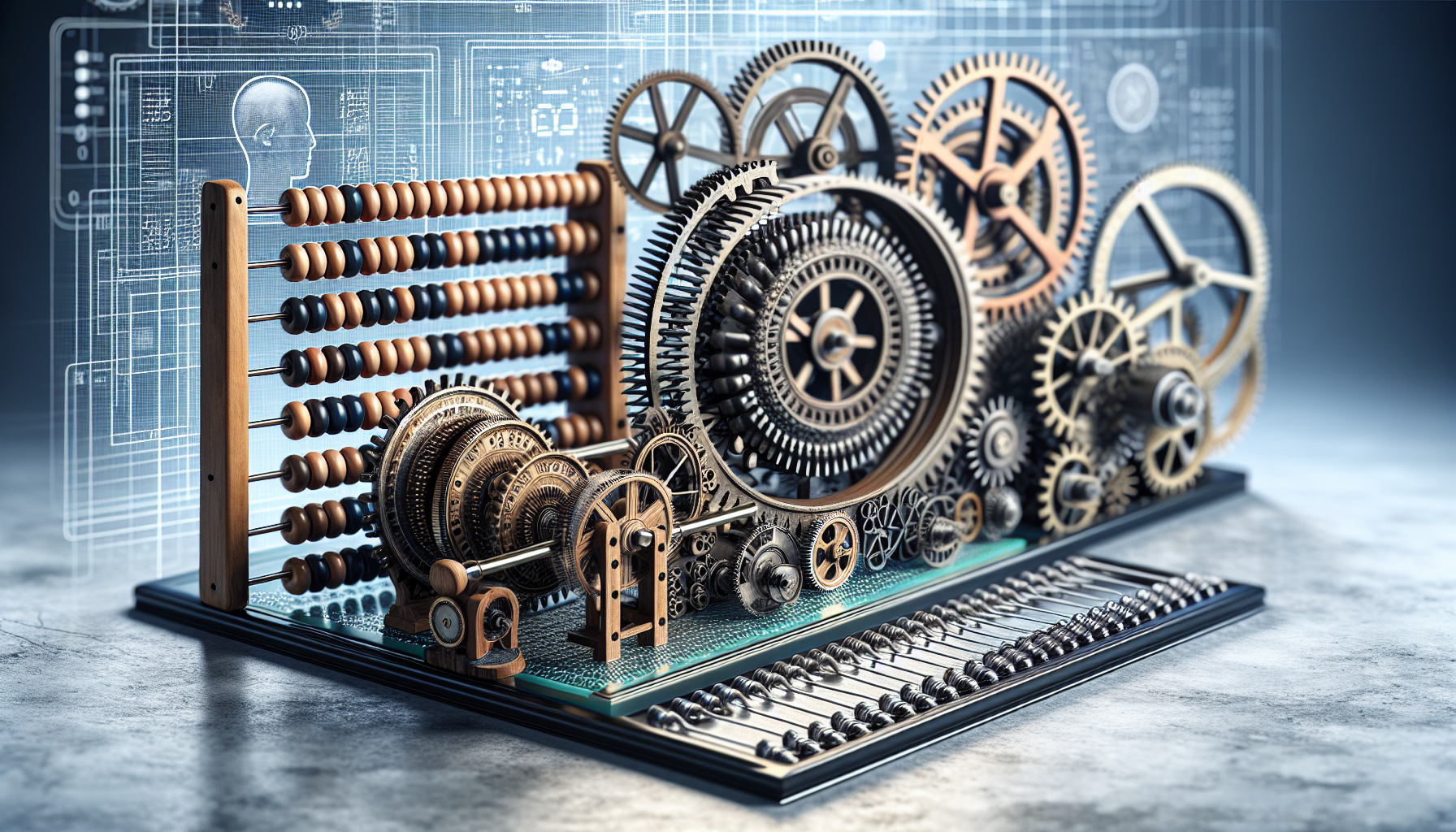
Let's rewind to a time when computers were essentially oversized calculators, and the thought of them being "intelligent" was the stuff of science fiction. Back then, interaction was limited to enthusiasts and experts who spoke the language of machines: code. The idea of computers understanding human language felt as distant as interstellar travel. Yet, the seeds of change were already being planted.
Early pioneers in the field began to imagine computers that could do more than just crunch numbers. They envisioned machines that could understand, respond, and even anticipate human needs. This vision set the stage for a revolution in HCI. Enter artificial intelligence, with its promise of emulating human cognition and decision-making.
One pivotal advancement came from the development of graphical user interfaces, which transformed how we interacted with computers. No longer did users need to type complex commands; they could point, click, and drag their way through tasks. This shift was monumental, yet it was only the beginning. AI was about to add a layer of intelligence that would redefine interaction.
Voice recognition technology emerged as a game-changer, though its early iterations were far from perfect. Many of you might remember shouting at early voice-activated systems, only to be met with a stubborn refusal to comprehend. Despite these hiccups, the potential was undeniable. Developers were driven by the dream that one day, speaking to machines would feel as natural as chatting with a friend.
The introduction of machine learning brought us closer to this dream. Suddenly, systems could learn from interactions, improving and adapting over time. This adaptive capability was a significant leap forward in HCI. No longer static, interfaces became dynamic, personalizing user experiences in ways that were previously unimaginable.
But the journey wasn't just about technology. It was also about understanding humans better. Psychologists, designers, and engineers began to collaborate more closely, realizing that creating effective human-computer interaction required insight into human behavior and cognition. This interdisciplinary approach led to the development of systems that are not just intelligent but also intuitive.
Consider the rise of virtual assistants, those digital entities that now reside in our phones, speakers, and even our cars. Their evolution is a testament to the progress made in AI and HCI. They don't just respond to commands; they engage in conversations, learn preferences, and even predict needs. This level of interaction is a far cry from the command-line interfaces of the past.
Yet, the journey is far from over. As AI continues to advance, new challenges and opportunities emerge. Ethical considerations, privacy concerns, and the ever-present question of human dependency on intelligent systems are at the forefront of current discussions. The balance between enhancing convenience and maintaining control is a delicate one, requiring careful navigation.
Looking ahead, one can't help but wonder how far this symbiotic relationship between AI and HCI will go. Will computers eventually anticipate our needs before we even articulate them? Will the line between human and machine become so blurred that interaction feels more like collaboration than instruction?
As we ponder these questions, it's clear that the journey of AI and human-computer interaction is as much about understanding ourselves as it is about understanding technology. The story is ongoing, a testament to human ingenuity and the relentless pursuit of making the unimaginable a reality. What comes next is anyone's guess, but one thing is certain: the dialogue between humans and machines is just getting started.