AI and Human-Computer Interaction: A Historical Critique of Bridging the Divide
March 10, 2026
Artificial Intelligence (AI) has long flirted with the realm of human-computer interaction, promising to revolutionize the way we engage with technology. Yet, amidst the optimistic forecasts, a critical examination unveils a more nuanced narrative. The history of AI in the context of human-computer interaction is littered with grand promises and stark realities, offering a compelling lens through which to assess how far we have come—and how far we still have to go.
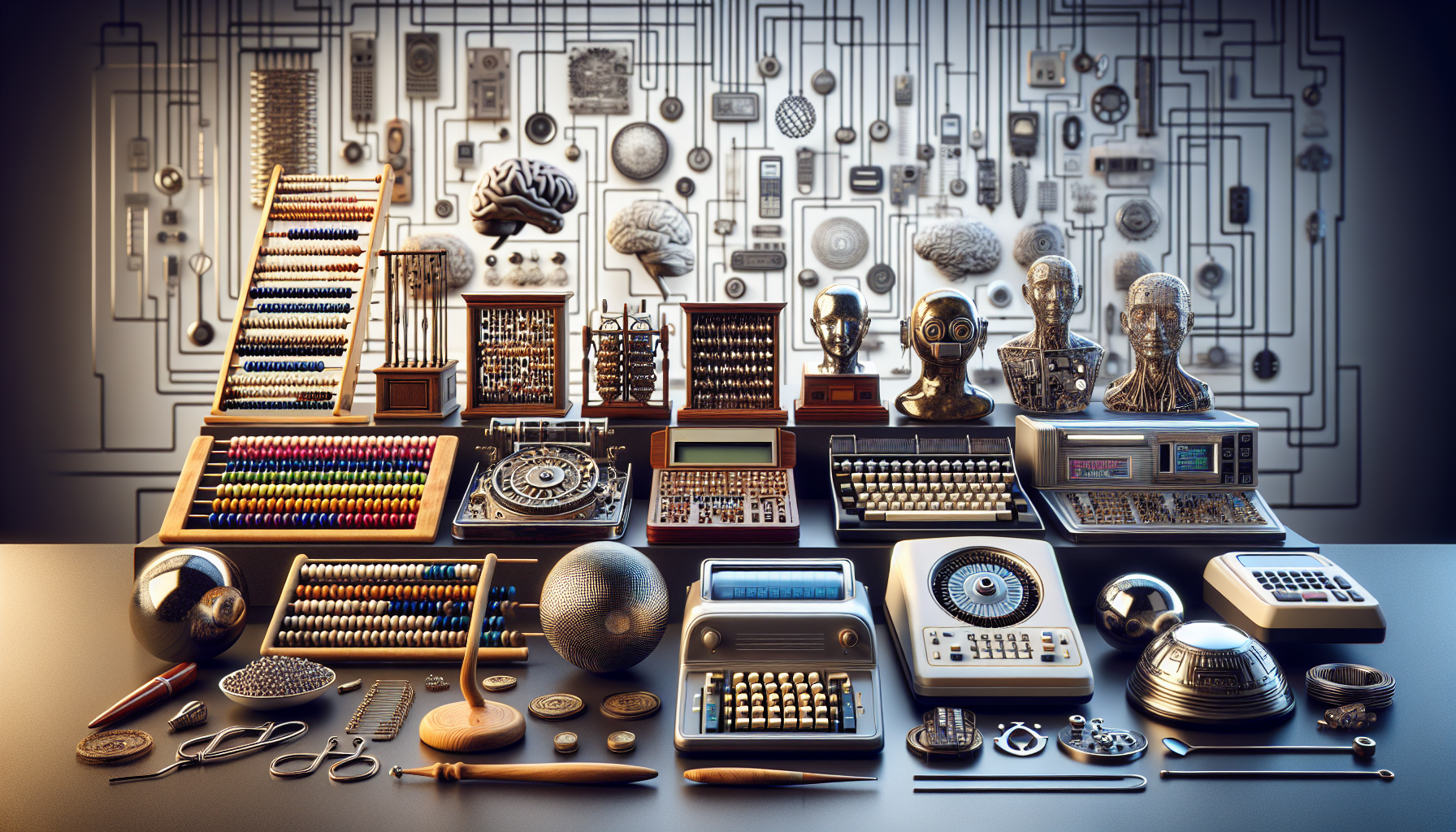
The idea of machines mimicking human thought has captivated imaginations for centuries, but it wasn't until the advent of computer science that these dreams began to take shape. Early pioneers envisioned AI as a tool to enhance human capabilities, not merely replicate them. This vision, however, has often been overshadowed by relentless pursuits of automation, where efficiency triumphs over empathy. The complex dance between functionality and user experience has frequently left the human element as an afterthought, a trend that has persisted through various technological epochs.
In its nascent stages, AI was heralded as the harbinger of a new era in computing. Researchers and developers were enamored by the potential of creating machines that could think, learn, and adapt. Yet, the early attempts to integrate AI into everyday interactions were fraught with challenges. The infamous "AI winter" periods highlighted the gap between expectation and reality, where funding and interest dwindled as overambitious claims fell short of deliverable results. These setbacks underscored a critical flaw in the AI narrative: the failure to adequately consider the end-user experience.
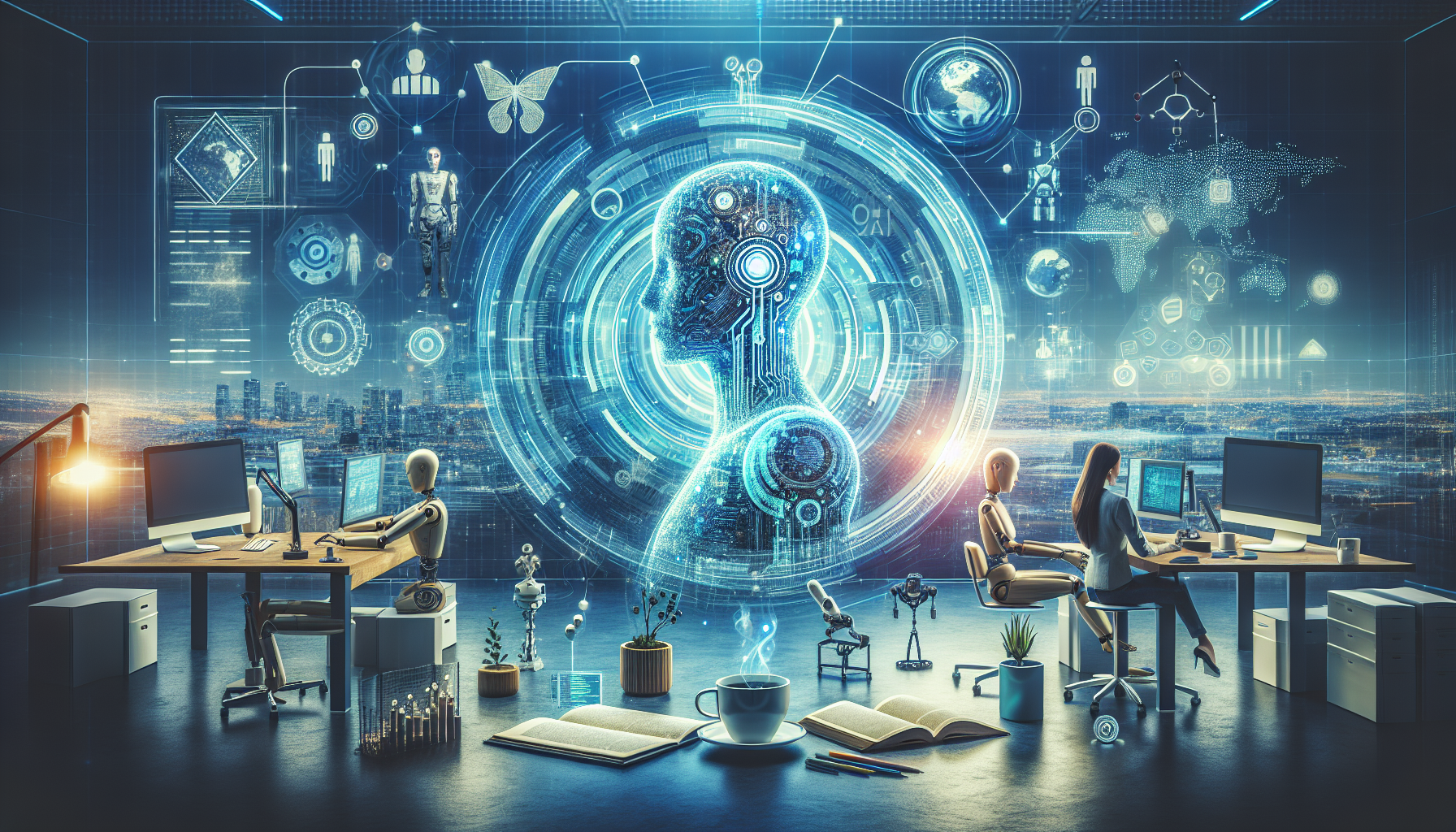
The trajectory of AI's role in human-computer interaction took a pivotal turn with the rise of personal computing and the internet. Suddenly, AI was no longer confined to research labs but was woven into the fabric of consumer technology. Virtual assistants and recommendation algorithms became the new frontiers, reshaping how individuals interacted with devices. Yet, this period also revealed a persistent issue: AI systems often lacked the intuitive understanding of human nuance, leading to interactions that felt mechanical and impersonal.
As AI continued to evolve, so too did the understanding of its limitations. One of the most glaring criticisms has been its inability to fully grasp the subtleties of human emotion and context. While AI can process vast amounts of data at lightning speed, it struggles to interpret the complexities of human expression and intent. This disconnect has often resulted in interactions that are functional but devoid of genuine connection, underscoring the need for a more human-centered approach to AI development.
In recent years, there has been a growing recognition of the importance of designing AI systems that prioritize user experience. This shift has been driven by an increasing awareness of the ethical implications of AI, including concerns about privacy, bias, and the erosion of trust. As developers strive to create more empathetic and adaptive AI, the challenge lies in balancing technological capabilities with the intricacies of human behavior. This delicate equilibrium is crucial for ensuring that AI can truly enhance—not hinder—the way we interact with technology.
Yet, despite these advancements, the journey toward seamless human-computer interaction remains fraught with obstacles. The persistent gap between AI's potential and its practical application raises critical questions about the future trajectory of these technologies. Are we focusing too much on the capabilities of AI at the expense of the human experience? Can AI ever truly understand and replicate the depth of human interaction, or will it always be relegated to the role of a sophisticated tool, lacking genuine empathy?
These questions invite us to reflect on the broader implications of AI's integration into everyday life. As we stand on the cusp of new technological frontiers, it is imperative to critically assess the historical lessons of AI's journey. Only by acknowledging both the triumphs and the missteps can we hope to forge a path that genuinely bridges the gap between humans and machines.
In contemplating the future of AI and human-computer interaction, one is left to ponder: Will the narrative of AI continue to be one of unfulfilled promise and potential, or can it evolve to genuinely enrich the tapestry of human experience? The answer, perhaps, lies not just in technological innovation but in a deeper understanding of what it means to be truly human in an increasingly digital world.