AI and Emotional Intelligence: Tracing the Historical Path to Understanding Human Emotions
March 13, 2026
In the intricate tapestry of artificial intelligence, the quest to replicate human emotional intelligence represents a profound and fascinating challenge. The history of AI's foray into the realm of human emotions is not merely a tale of technological advancement but also a reflection of our enduring curiosity about the human condition itself.
The journey begins with the philosophical ponderings of ancient scholars who speculated about the nature of emotions and consciousness. This foundational curiosity laid the groundwork for centuries of exploration into what would eventually become known as emotional intelligence. Early attempts to understand emotions were largely theoretical, with philosophers suggesting that emotions were an intrinsic part of human nature, distinct yet inseparable from rational thought.
As scientific methods evolved, psychologists and cognitive scientists began to dissect the components of human emotions more systematically. The advent of behavioral psychology offered a new lens through which to view emotions, emphasizing observable behavior over introspection. This shift in perspective paved the way for the development of models that sought to quantify and predict emotional responses.
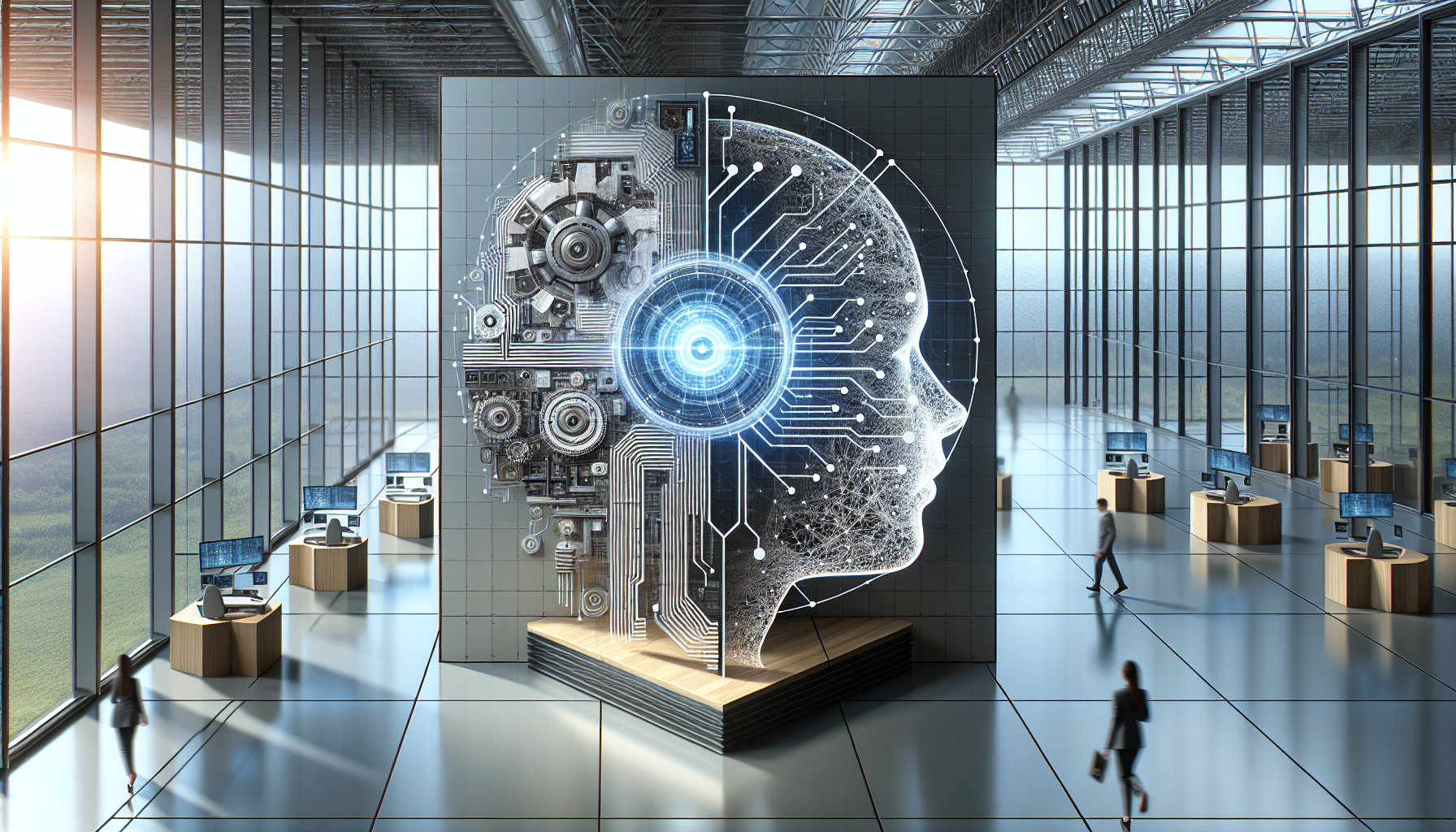
The intersection of these psychological insights with burgeoning computational technologies marked a significant turning point. Theoretical computer scientists and early AI pioneers envisioned machines that could simulate human thought processes, including emotional responses. However, the complexity of human emotions, with their deeply rooted biological and cultural underpinnings, posed formidable challenges.
Initial attempts at programming emotional intelligence into machines often relied on rule-based systems. These systems, while innovative, were limited by their rigidity and lack of adaptability. They could mimic certain emotional responses under predefined conditions but failed to capture the nuanced and dynamic nature of real human emotions. This limitation highlighted the need for more sophisticated approaches.
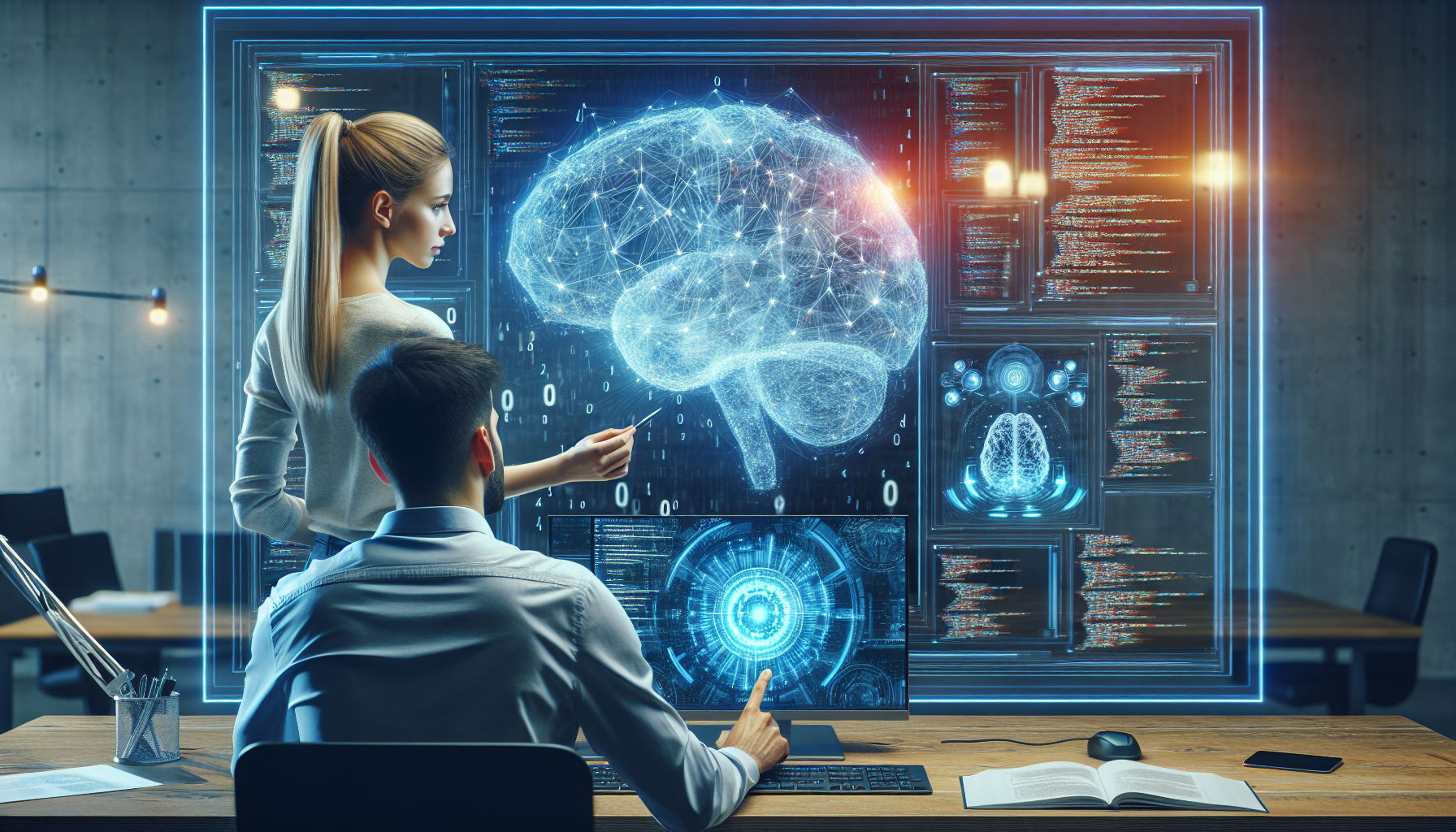
The advent of machine learning introduced a paradigm shift, offering new possibilities for the development of AI systems capable of understanding and responding to human emotions. By leveraging vast amounts of data, these systems learned to recognize patterns and make predictions, allowing for a more nuanced interpretation of emotional cues. The integration of natural language processing further enhanced AI's ability to engage with human emotions, enabling more fluid and contextually aware interactions.
Despite these advancements, the journey towards truly emotionally intelligent AI remains fraught with challenges. Human emotions are not only complex but also deeply personal, influenced by individual experiences and cultural contexts. This variability poses significant hurdles for AI systems that strive to understand and replicate emotional intelligence universally.
Moreover, ethical considerations loom large in this discourse. The ability of AI to interpret and potentially manipulate human emotions raises profound questions about privacy, consent, and the potential misuse of technology. As AI systems become more adept at understanding human emotions, the responsibility to use this capability ethically becomes paramount.
The historical journey of AI and emotional intelligence is thus a reflection of both our technological progress and our ongoing quest to understand ourselves better. It highlights the intricate interplay between human creativity, scientific inquiry, and ethical responsibility. As we continue to explore the possibilities of AI in understanding human emotions, we are compelled to consider the broader implications of our technological endeavors.
In contemplating the future of AI and emotional intelligence, one must ask: what does it mean for machines to truly understand human emotions? Can they ever achieve the depth of empathy and intuition inherent in human interactions, or will they remain sophisticated simulacra, echoing but never truly embodying the human experience? These questions challenge us to reflect on the essence of emotional intelligence and our aspirations for a future where humans and machines coexist in harmony.