AI and Emotional Intelligence: How Machines Are Learning to Understand Human Emotions
December 19, 2025
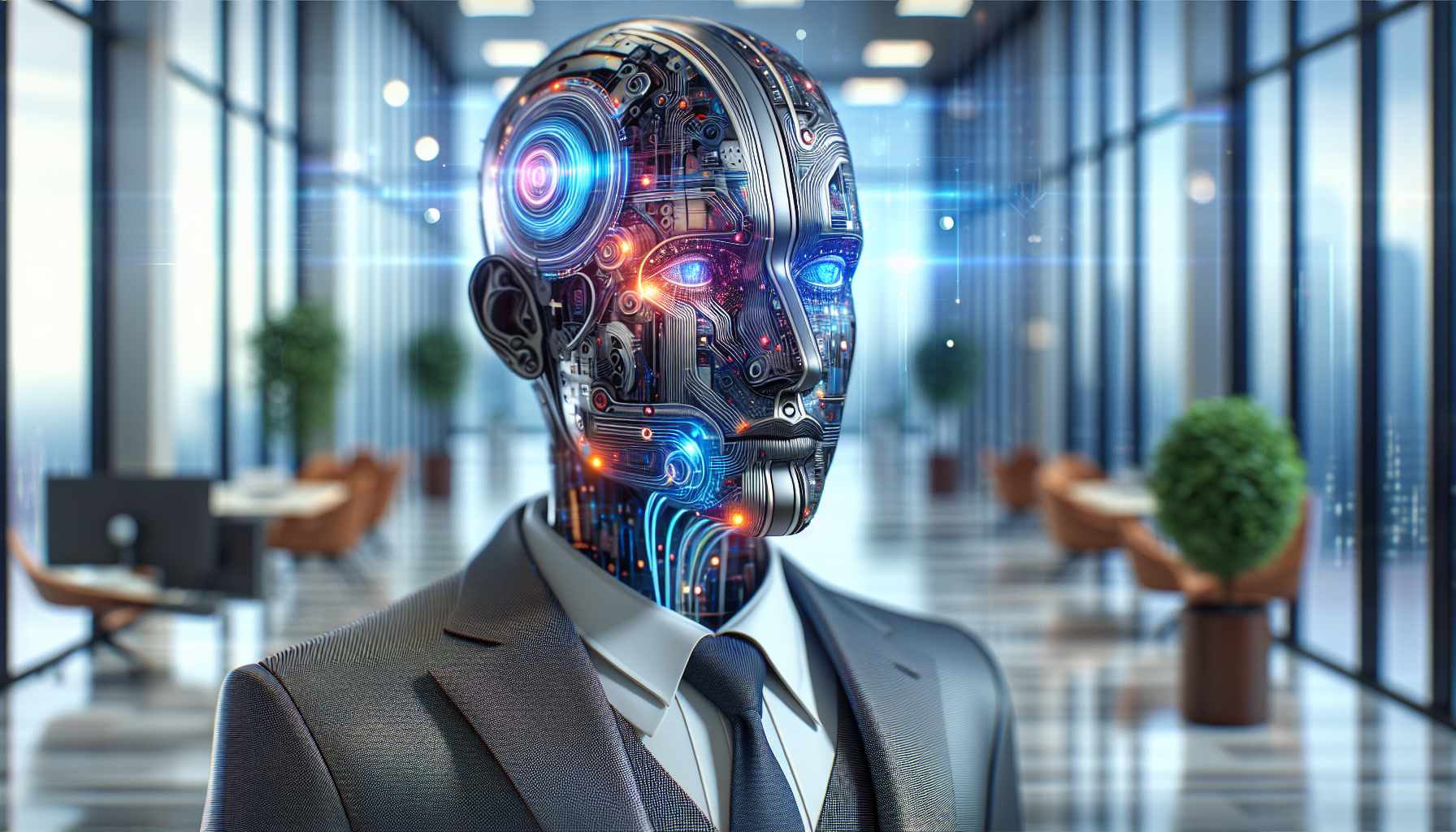
Imagine a world where your digital assistant not only schedules your meetings but also senses your mood and adapts its responses accordingly. It might sound like science fiction, but it's closer to reality than you might think. This article dives into a fascinating case study on how artificial intelligence is being trained to grasp human emotional nuances, a skill traditionally reserved for humans.
Meet EmotAI, a pioneering company at the forefront of integrating emotional intelligence into AI systems. Their mission is simple yet ambitious: to teach machines the intricate language of human emotions. But how do you teach a computer to understand something as complex and subjective as feelings? The answer lies in data—lots of it—and a bit of creative ingenuity.
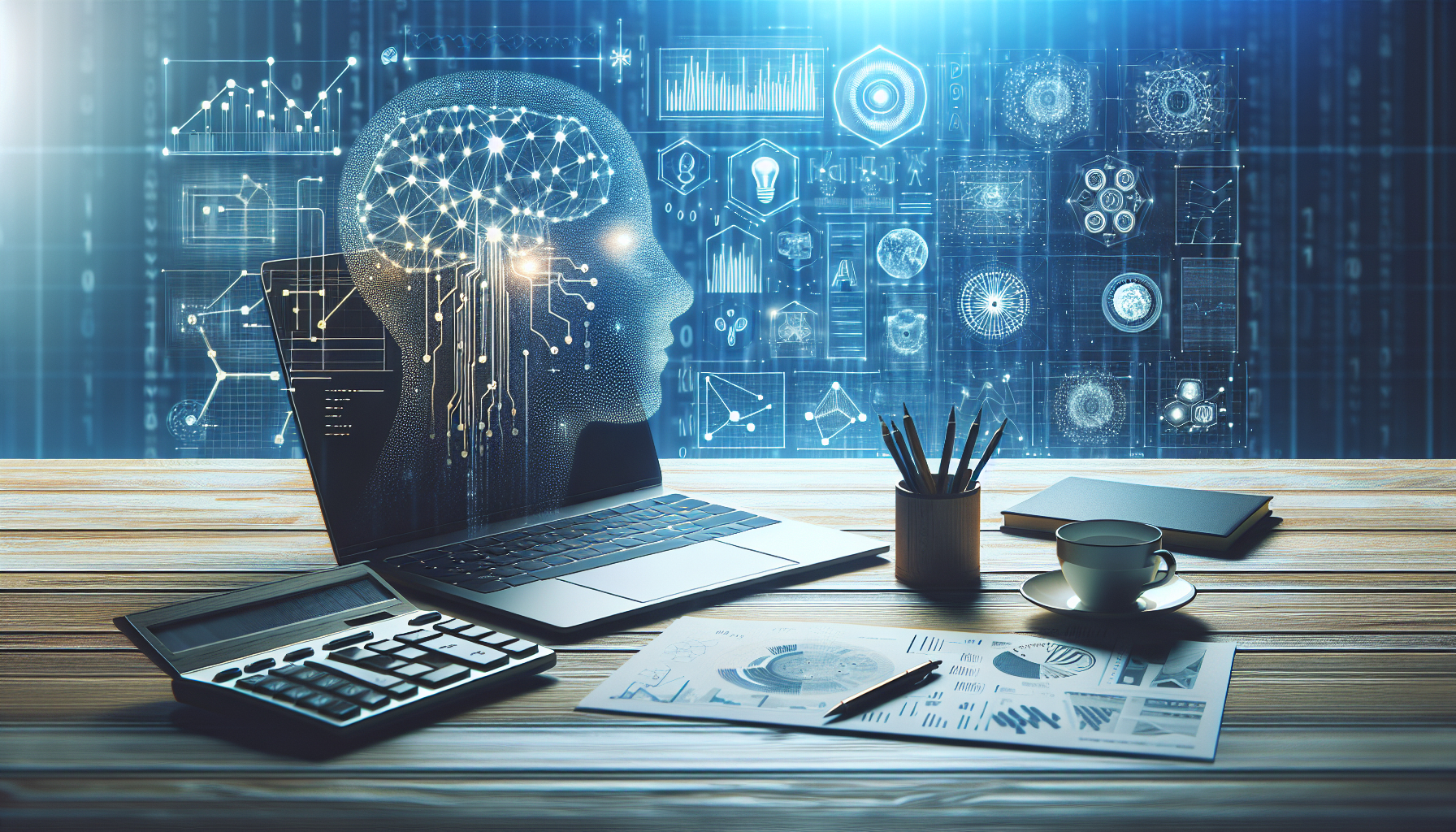
The team at EmotAI started by collecting vast amounts of data on human expressions, voice intonations, and even physiological responses such as heart rate variability. This data serves as the foundation for training AI algorithms to recognize patterns associated with different emotional states. For instance, a smile combined with a specific tone of voice might indicate happiness, while a rapid heartbeat and tense facial muscles might suggest stress.
However, the journey to emotional understanding isn't just about pattern recognition. It also involves a deep dive into the cultural and contextual factors that influence how emotions are expressed. This is where EmotAI's multicultural team shines. By incorporating insights from psychologists and sociolinguists from diverse backgrounds, they ensure their AI systems appreciate the subtleties of emotional expression across different cultures.
One of the most compelling applications of EmotAI's technology is in the realm of mental health. Imagine a virtual therapist capable of recognizing when a person is distressed, even when they don't explicitly express it. The AI could offer support, suggest relaxation techniques, or alert a human therapist if it detects signs of severe emotional distress. This capability could revolutionize how we approach mental health care, making support more accessible and personalized.
But there's more to consider beyond the technical achievements. EmotAI's work raises intriguing ethical questions about privacy and autonomy. For instance, should machines have the ability to read our emotions? And if so, how should this data be used? The company acknowledges these concerns and is committed to developing AI systems that are transparent and respect user privacy. They believe that trust is a cornerstone of any relationship, be it human-to-human or human-to-machine.
Another fascinating aspect of EmotAI's case study is their collaboration with educators to enhance learning environments. By equipping classroom AI tools with emotional intelligence, teachers can receive real-time feedback on students' engagement and emotional states. This insight allows educators to tailor their teaching methods to better suit individual needs, fostering a more supportive and effective learning environment.
Despite the promising advancements, the road to fully emotionally intelligent AI is still under construction. The complexity of human emotions—shaped by personal experiences, cultural influences, and psychological factors—presents ongoing challenges. EmotAI's team is constantly refining their algorithms, seeking to improve accuracy and responsiveness without losing sight of ethical considerations.
So, where does this leave us in the grand scheme of things? As AI continues to evolve, it opens up new possibilities for enhancing human well-being. But it also invites us to reflect on what it means to be human. Can a machine ever truly understand the depth and breadth of our emotional experiences? Or will it always be an approximation, a helpful tool rather than a true companion?
As we ponder these questions, one thing is clear: the integration of emotional intelligence into AI is more than a technological feat. It's a step toward a future where machines can support us in ways we never imagined, challenging us to rethink our relationship with technology. How we navigate this uncharted territory will shape the nature of our digital interactions for generations to come. What do you think? Can AI truly understand human emotions, or is there something inherently human that machines will never grasp?