AI and Cybersecurity: A Critical Look at Digital Defense Strategies
April 5, 2026
Artificial intelligence is often heralded as the ultimate solution to a variety of digital threats. Yet, while AI has undeniably transformed cybersecurity, it is crucial to examine whether these innovations truly enhance our defenses or if they inadvertently introduce new vulnerabilities to our systems.
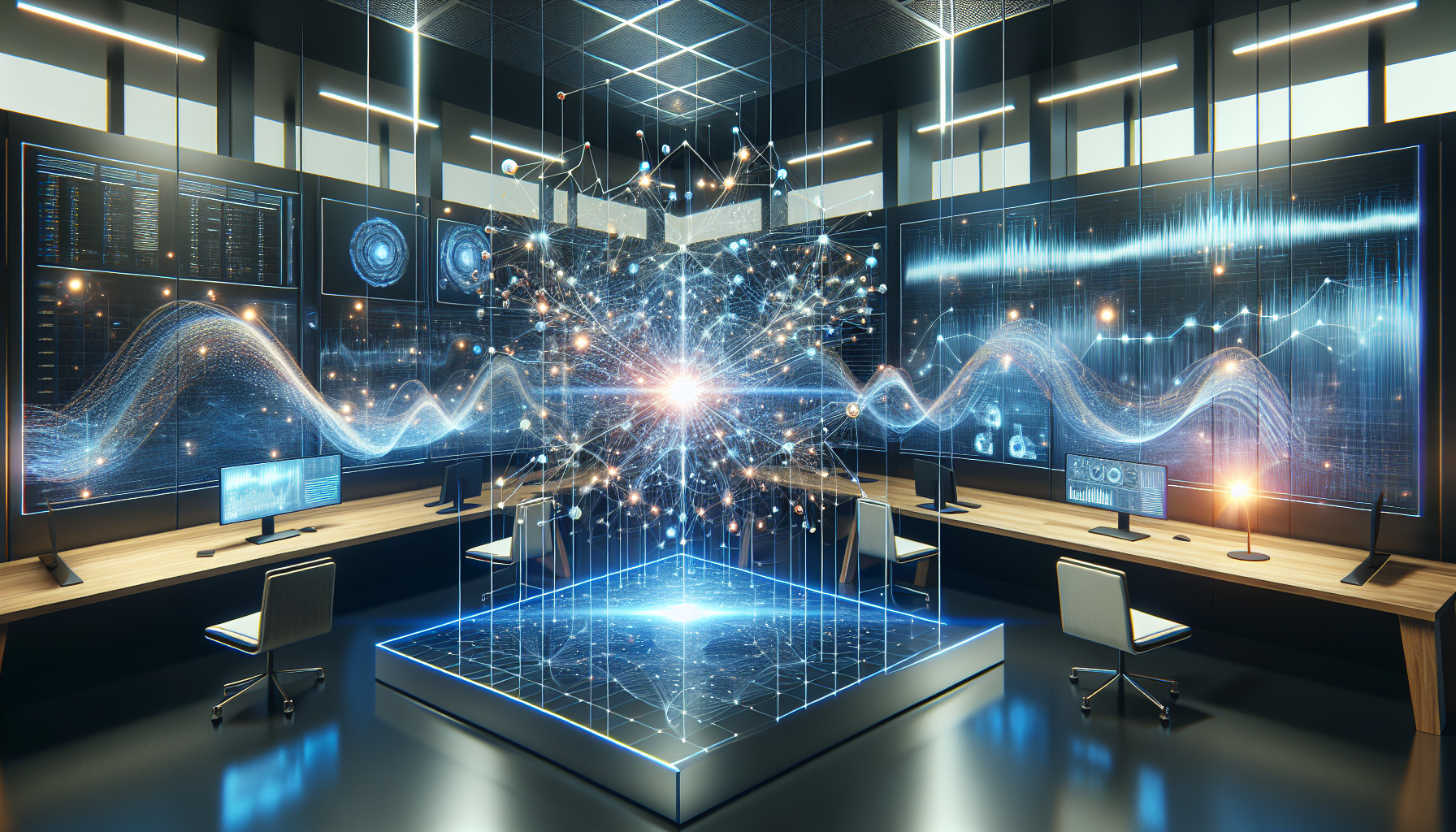
AI’s potential in cybersecurity is largely attributed to its ability to process vast amounts of data and identify anomalies that may signal a cyber attack. Traditional security systems rely on predefined rules and signatures, which makes them less effective against novel threats. AI, on the other hand, can adapt and learn from new attack patterns, offering a dynamic approach to threat detection. AI-driven systems can analyze network traffic, user behavior, and even the subtleties of communication patterns to uncover potential threats that might escape human analysts.
However, this reliance on AI is not without its pitfalls. One significant concern is the risk of over-reliance on automation. While AI can handle vast datasets and complex computations beyond human capability, it lacks the intuition and contextual understanding that human analysts bring to cybersecurity. This can lead to scenarios where AI fails to recognize sophisticated attacks disguised within legitimate network traffic. Moreover, attackers increasingly use AI to enhance their techniques, creating a cat-and-mouse game where both sides become locked in an endless cycle of one-upmanship.
A critical examination also reveals that AI models are only as good as the data they are trained on. Poor-quality data can lead to inaccurate threat assessments, while biased datasets might overlook certain types of attacks altogether. Furthermore, AI systems require significant computational resources, raising concerns about their sustainability and accessibility for smaller organizations with limited budgets. This uneven distribution of resources could leave smaller entities more vulnerable, fundamentally undermining the democratic promise of digital security.
Security experts are also wary of the black-box nature of many AI algorithms. The opacity of AI decision-making processes means that when an AI system flags a threat, it might not always be clear why it did so. This lack of transparency can hinder the ability of cybersecurity professionals to make informed decisions, especially in high-stakes environments where understanding the rationale behind a threat alert is crucial.
The use of AI in cybersecurity also raises ethical concerns. For instance, the deployment of AI surveillance systems can lead to privacy violations, as these systems often collect extensive data on user behavior. This tension between security and privacy poses a significant challenge, prompting a broader debate about the societal implications of AI in cybersecurity. The question remains: how do we balance the need for robust digital defenses with the preservation of individual rights?
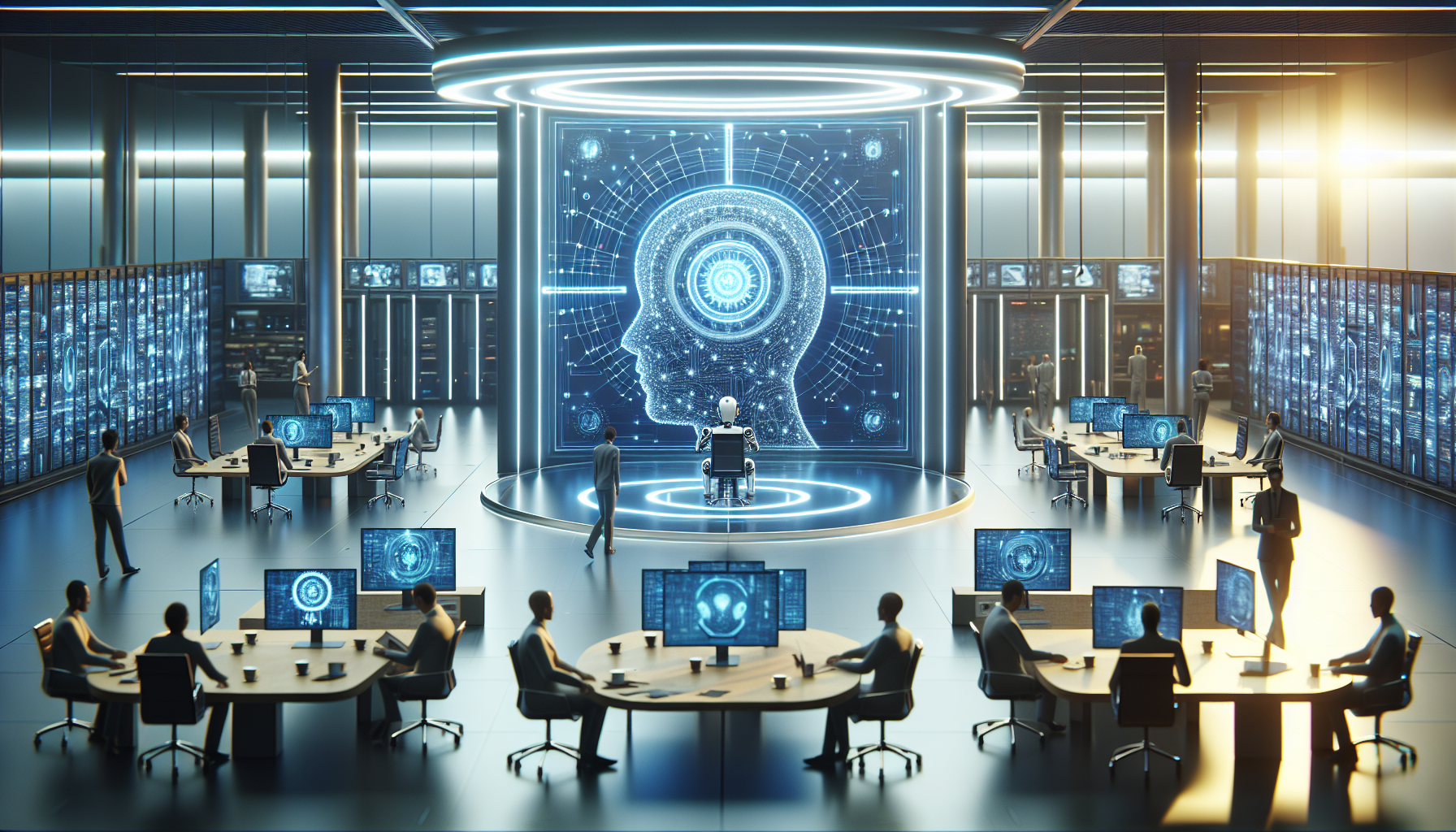
While AI offers promising solutions, it should not be regarded as a panacea. Cybersecurity requires a multi-faceted approach that combines the strengths of AI with human expertise. Organizations must invest in training cybersecurity professionals to work alongside AI systems, ensuring that human intuition and ethical considerations guide technological strategies. This synergy can help mitigate the risks associated with AI, providing a more comprehensive defense against cyber threats.
Moreover, as AI becomes a staple in cybersecurity strategies, it is vital to foster international collaboration and establish clear regulatory frameworks. Creating standards for AI deployment in cybersecurity can help ensure that these technologies are used responsibly and effectively, minimizing the risks of misuse or unintended consequences.
The role of AI in cybersecurity is undoubtedly transformative, offering unprecedented capabilities in threat detection and response. However, a critical examination reveals that it is not without its challenges. As we continue to integrate AI into our digital defenses, we must remain vigilant about its limitations and potential risks. The future of cybersecurity will depend on our ability to harness AI's strengths while addressing its weaknesses. Can we rise to the challenge and build a secure digital landscape that respects both security and individual freedoms?