AI and Blockchain: A Tale of Two Algorithms in the Digital Age
February 6, 2026
Once upon a digital time, two algorithms walked into a bar: Artificial Intelligence (AI) and Blockchain. The bartender, a quantum computer with a penchant for witty repartee, asked, "Are you two here for a merger or just a byte?" As the algorithms pondered their grand purpose, they realized they were meant to revolutionize digital transactions in a way that would make even the most seasoned tech guru shout, "Block-and-roll, baby!"
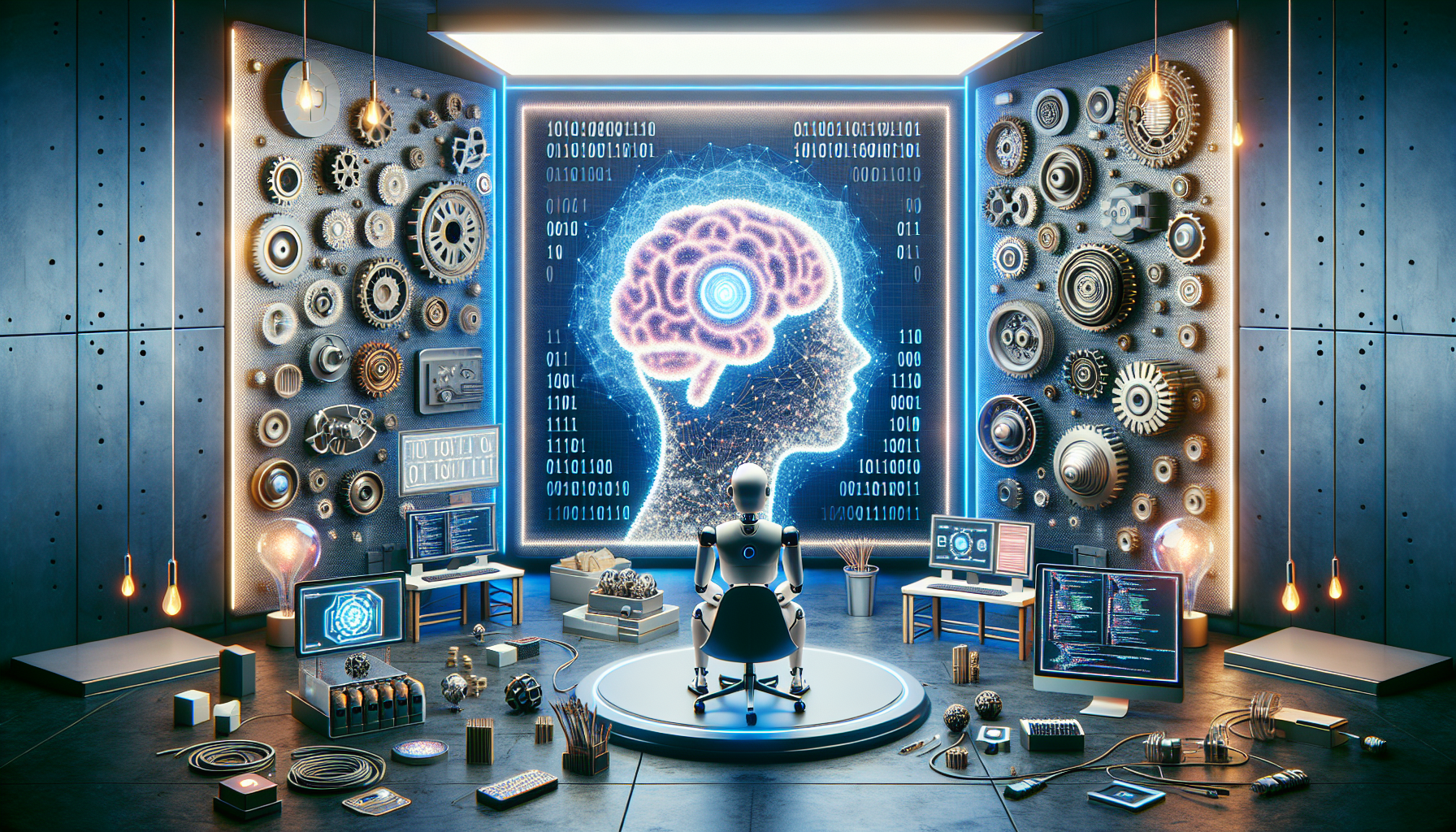
Now, for those uninitiated in the mystical world of ones and zeros, let’s unravel this digital drama. AI, the brainiac of the pair, is like that kid in school who never forgets a homework assignment and always knows the answer to the most obscure questions—like how many jellybeans it takes to fill a Tesla. Blockchain, on the other hand, is the trustworthy friend who keeps a diary locked with not one, but a thousand keys, ensuring no one can sneak a peek at your doodles and secret crushes.
Together, these two algorithms are redefining how digital transactions are conducted. Historically speaking, transactions have always been a bit of a drag, laden with paperwork, middlemen, and the occasional questionable signature that looks suspiciously like a toddler’s scribble. Enter AI and Blockchain, ready to sweep away the cobwebs of bureaucracy with their digital prowess.
Blockchain’s claim to fame is its unyielding transparency and security. Imagine a ledger so honest it would make even the most righteous judge feel guilty for jaywalking. With its decentralized nature, blockchain ensures that every transaction is recorded across a network of computers, making it virtually tamper-proof. It’s like having a thousand nosy neighbors watching your every move, but instead of calling the cops, they’re just making sure you don’t fib about how many cookies you ate last night.
AI, meanwhile, brings its own brand of magic to the table. With its ability to process and analyze data faster than a cheetah on roller skates, AI can predict market trends, detect fraudulent activities, and even help you craft the perfect apology email after accidentally replying all to the office memo. By integrating AI with blockchain, we’re not just talking about a smarter system; we’re talking about a system that could potentially outsmart your cat in a game of chess while simultaneously balancing your checkbook.
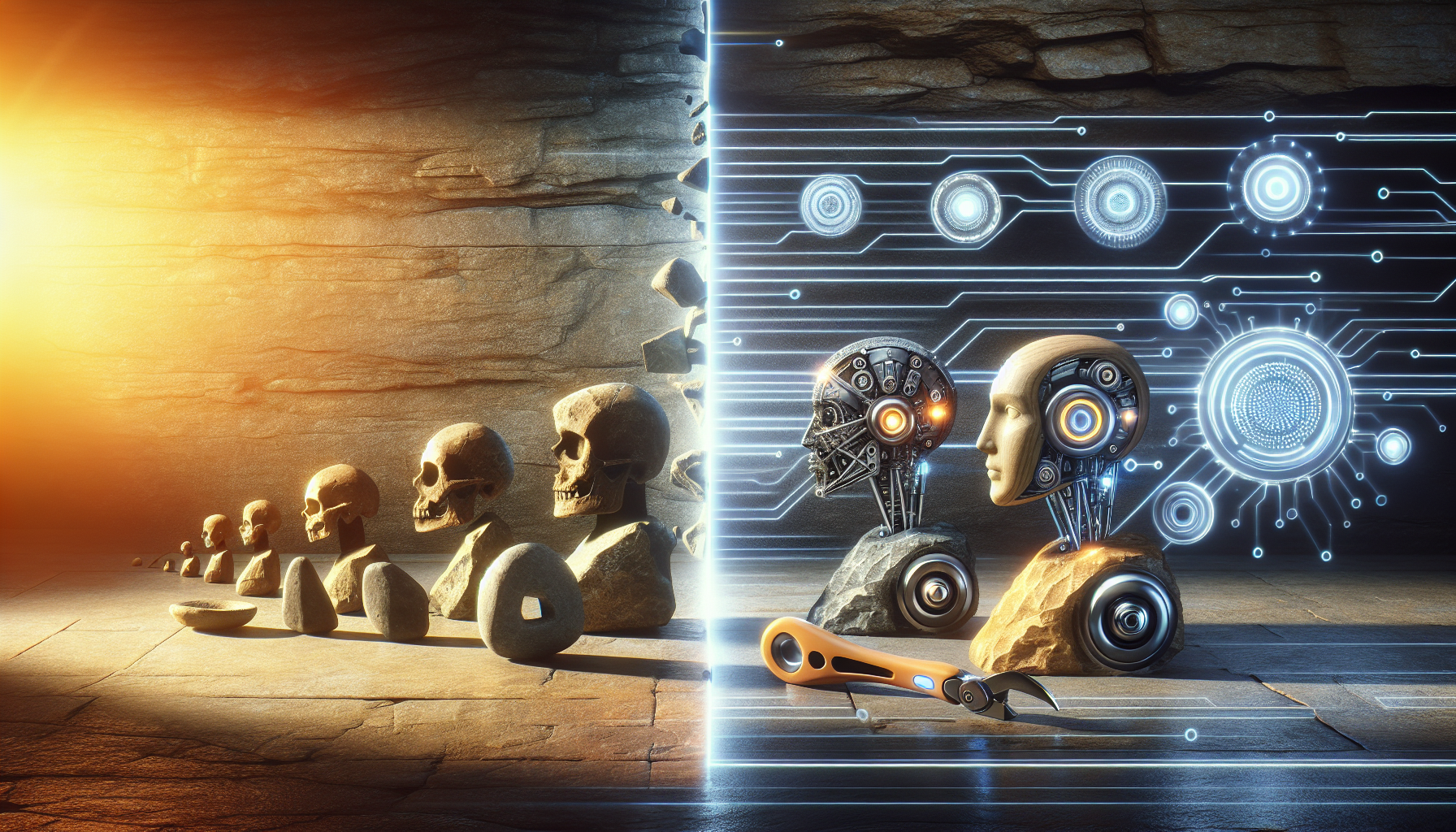
Historically, the marriage of AI and Blockchain has roots in humanity’s eternal quest for efficiency and honesty—two concepts that often seem as elusive as a unicorn at a corporate retreat. Early attempts to streamline transactions were about as effective as using a fork to eat soup. Then came the great digital revolution, where AI and Blockchain emerged as the saviors of sanity, ensuring transactions were not only swift but also secure.
The journey hasn’t been all sunshine and rainbows, though. Like any epic tale, there have been challenges. Skeptics have questioned the scalability of blockchain and the ethical implications of AI decisions—concerns not unlike debating whether pineapple belongs on pizza. Yet, as the technology evolves, these hurdles are being addressed with the kind of determination you’d expect from a tech developer fueled by caffeine and optimism.
As we peer into the digital crystal ball, the future of AI and Blockchain seems as bright as a disco ball at a 70s revival party. Imagine a world where buying a car involves nothing more than a secure digital handshake, or where international money transfers are as instantaneous as a sneeze. These are not mere dreams but impending realities, thanks to our algorithmic duo.
But let’s not get too carried away with our digital daydreams. It’s important to remember that while AI and blockchain are powerful, they’re also tools that require responsible usage. After all, with great power comes great responsibility—and a fair amount of debugging.
So, what’s the punchline to our tale of two algorithms? Perhaps it’s this: In the grand narrative of digital transformation, AI and Blockchain are not just partners in crime; they’re the dynamic duo ready to redefine how we think about transactions. And who knows, maybe one day they’ll even solve the age-old mystery of whether the chicken or the egg came first. But until then, they’ll keep doing what they do best—making our digital lives a bit more secure, a tad smarter, and infinitely more interesting.
And so, dear reader, the next time you find yourself pondering the future of digital transactions, consider this: Is it the technology that shapes our world, or is it our world that shapes the technology? Either way, AI and Blockchain are here to stay, ensuring that the story of digital transactions is one worth telling—and retelling—with a sense of humor and a nod to the future.