AI and Blockchain: A Historical Journey into Transforming Digital Transactions
March 10, 2025
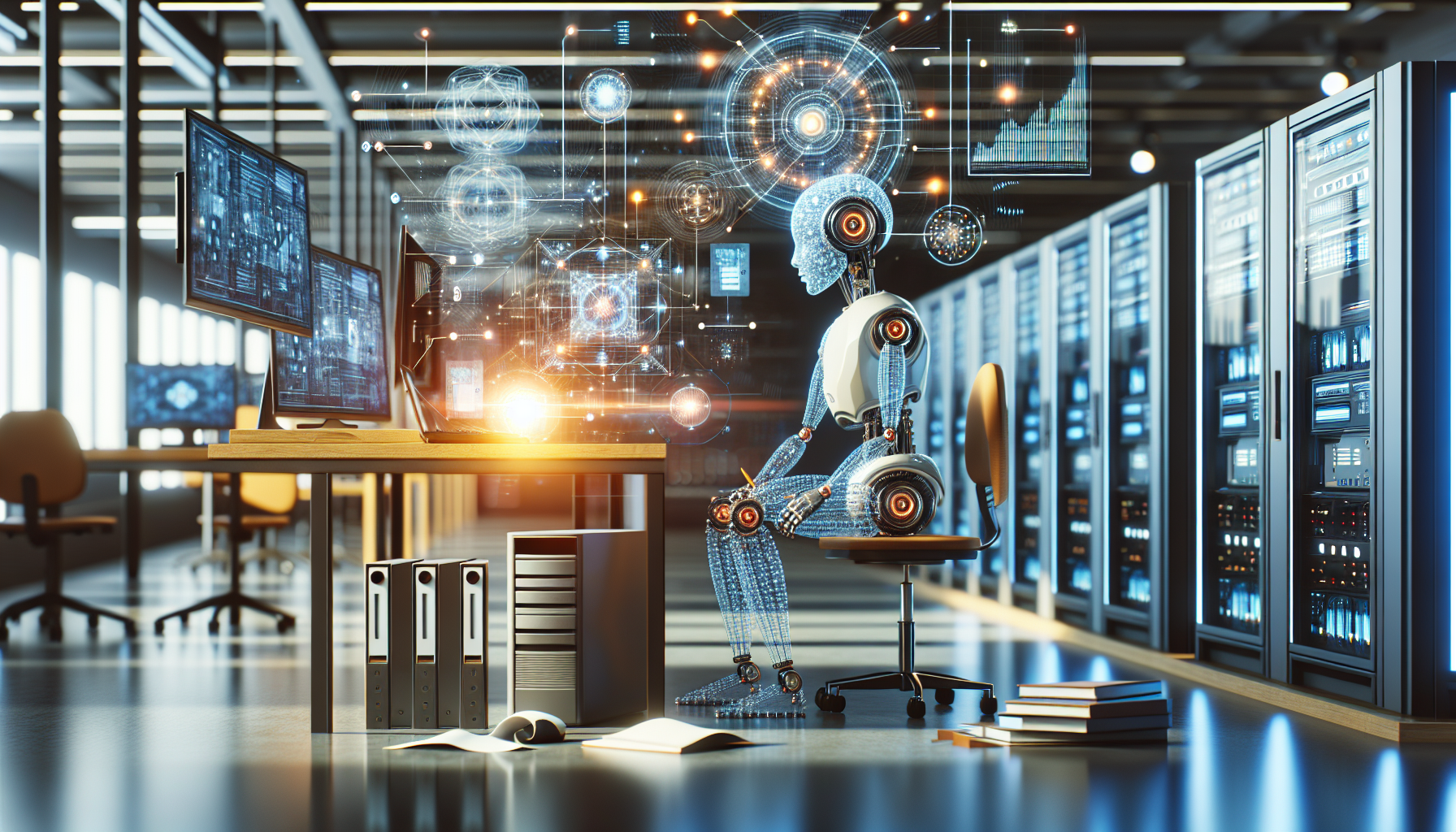
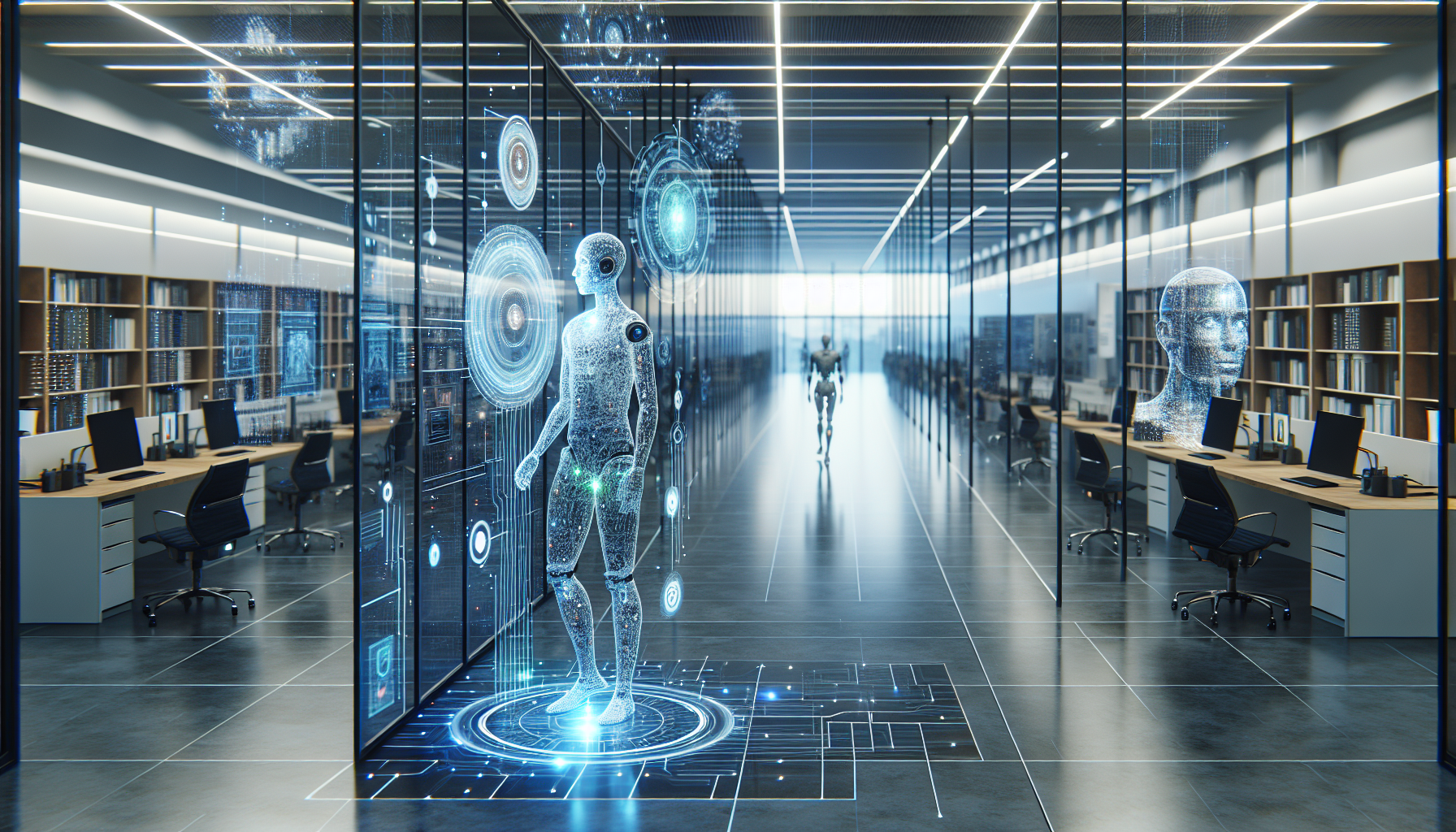
Picture this: a world where digital transactions are seamless, secure, and efficient. It's not just a vision of the future but a reality being sculpted by two technological titans—Artificial Intelligence (AI) and Blockchain. These two technologies, while powerful on their own, are even more revolutionary when combined. But how did we get here? Let’s take a stroll down memory lane to explore how AI and Blockchain have been intertwining to transform digital transactions.
Once upon a time, the concept of digital transactions was a mere novelty. The initial systems, though groundbreaking at the time, were riddled with inefficiencies and vulnerabilities. Enter Blockchain, the ingenious brainchild of cryptography enthusiasts who envisioned a world where transactions could be both decentralized and secure. Blockchain offered a decentralized ledger system that promised transparency, security, and immutability. Sounds like magic, right? But while Blockchain was revolutionizing the way transactions were recorded and verified, it wasn't quite perfect.
This is where Artificial Intelligence steps in. AI brought to the table its prowess in data analysis and pattern recognition. Imagine Blockchain as a sturdy, reliable car, and AI as a GPS with real-time traffic updates. While Blockchain ensures the journey is safe and secure, AI optimizes the route, ensuring efficiency and speed. The marriage of AI and Blockchain in digital transactions allows for not just secure but smart transactions.
The history of this collaboration is fascinating. Initially, Blockchain was primarily associated with cryptocurrencies. However, its potential in other areas was quickly realized. Supply chain management, identity verification, and even voting systems—Blockchain was a game-changer. But the real breakthrough came when AI entered the picture, offering solutions to some of Blockchain's limitations, like scalability and energy consumption.
You might wonder, how exactly does AI enhance Blockchain? One of the lesser-known facts is AI's ability to predict and prevent fraudulent activities before they even occur. By analyzing patterns and anomalies in data, AI can flag suspicious transactions in real-time. This predictive capability is invaluable, especially in financial sectors where the stakes are high. Additionally, AI can optimize Blockchain operations, making them faster by predicting the most efficient ways to process transactions.
Security, a cornerstone of Blockchain, is further fortified by AI. Traditional systems are susceptible to hacking, but AI-enhanced Blockchain creates a robust defense against cyber threats. By continuously learning and adapting to new threats, AI ensures that Blockchain systems remain a step ahead of malicious actors. Think of it as having a vigilant guard dog that not only barks at intruders but also learns to recognize new ones before they even approach.
Another intriguing aspect is how AI and Blockchain together are democratizing data. In a world where data is the new oil, ensuring its security and accessibility is paramount. Blockchain provides the framework for secure data exchanges, while AI manages, analyzes, and derives insights from this data. This combination is empowering industries to make data-driven decisions with confidence, knowing their data is both accurate and secure.
The historical convergence of AI and Blockchain is not just a tale of technological evolution but also one of societal impact. Digital identity, for instance, is an area where this convergence is making waves. AI algorithms can verify identities with high precision, while Blockchain ensures that these identities are protected and immutable. This has profound implications for everything from opening bank accounts to accessing government services, especially in parts of the world where identity verification has traditionally been cumbersome or unreliable.
As we reflect on this journey, it's clear that the integration of AI and Blockchain is not just a trend but a transformation. They are reshaping how we perceive and interact with digital transactions, making the process more intelligent and secure. But this is just the beginning. As these technologies continue to evolve and mature, who knows what new frontiers they will explore together?
So, what do you think? Could AI and Blockchain be the dynamic duo that leads us into a new era of digital interaction? As we stand on the cusp of this exciting journey, one can't help but wonder about the endless possibilities that lie ahead. The history of AI and Blockchain is still being written, and we are all part of its unfolding narrative.